
.jpg?width=75&height=75&name=!--%20Column%202%20New%20to%20CityPickle%20%26%20Programs%20--div%20style=height%20100%25%3B%20display%20flex%3B%20flex-direction%20column%3B%20gap%2015px%3B!--%20New%20to%20CityPickle%20Card%20--%20div%20style=padding%2015px%3B%20border-radius%208px%3B%20border%201px%20(1).jpg)

.jpg?width=75&height=75&name=!--%20Column%202%20New%20to%20CityPickle%20%26%20Programs%20--div%20style=height%20100%25%3B%20display%20flex%3B%20flex-direction%20column%3B%20gap%2015px%3B!--%20New%20to%20CityPickle%20Card%20--%20div%20style=padding%2015px%3B%20border-radius%208px%3B%20border%201px%20(2).jpg)
.jpg?width=75&height=75&name=!--%20Column%202%20New%20to%20CityPickle%20%26%20Programs%20--div%20style=height%20100%25%3B%20display%20flex%3B%20flex-direction%20column%3B%20gap%2015px%3B!--%20New%20to%20CityPickle%20Card%20--%20div%20style=padding%2015px%3B%20border-radius%208px%3B%20border%201px%20(3).jpg)
.jpg?width=75&height=75&name=!--%20Column%202%20New%20to%20CityPickle%20%26%20Programs%20--div%20style=height%20100%25%3B%20display%20flex%3B%20flex-direction%20column%3B%20gap%2015px%3B!--%20New%20to%20CityPickle%20Card%20--%20div%20style=padding%2015px%3B%20border-radius%208px%3B%20border%201px%20(4).jpg)
.jpg?width=75&height=75&name=!--%20Column%202%20New%20to%20CityPickle%20%26%20Programs%20--div%20style=height%20100%25%3B%20display%20flex%3B%20flex-direction%20column%3B%20gap%2015px%3B!--%20New%20to%20CityPickle%20Card%20--%20div%20style=padding%2015px%3B%20border-radius%208px%3B%20border%201px%20(5).jpg)
.jpg?width=75&height=75&name=!--%20Column%202%20New%20to%20CityPickle%20%26%20Programs%20--div%20style=height%20100%25%3B%20display%20flex%3B%20flex-direction%20column%3B%20gap%2015px%3B!--%20New%20to%20CityPickle%20Card%20--%20div%20style=padding%2015px%3B%20border-radius%208px%3B%20border%201px%20(6).jpg)
.jpg?width=75&height=75&name=!--%20Column%202%20New%20to%20CityPickle%20%26%20Programs%20--div%20style=height%20100%25%3B%20display%20flex%3B%20flex-direction%20column%3B%20gap%2015px%3B!--%20New%20to%20CityPickle%20Card%20--%20div%20style=padding%2015px%3B%20border-radius%208px%3B%20border%201px%20(7).jpg)
 CityPickle
Designing the CityPickle Flagship Inside the Paramount Building
CityPickle's flagship in the Paramount Building blends vintage architecture with modern pickleball, creating a dynamic, social hub in Times Square.
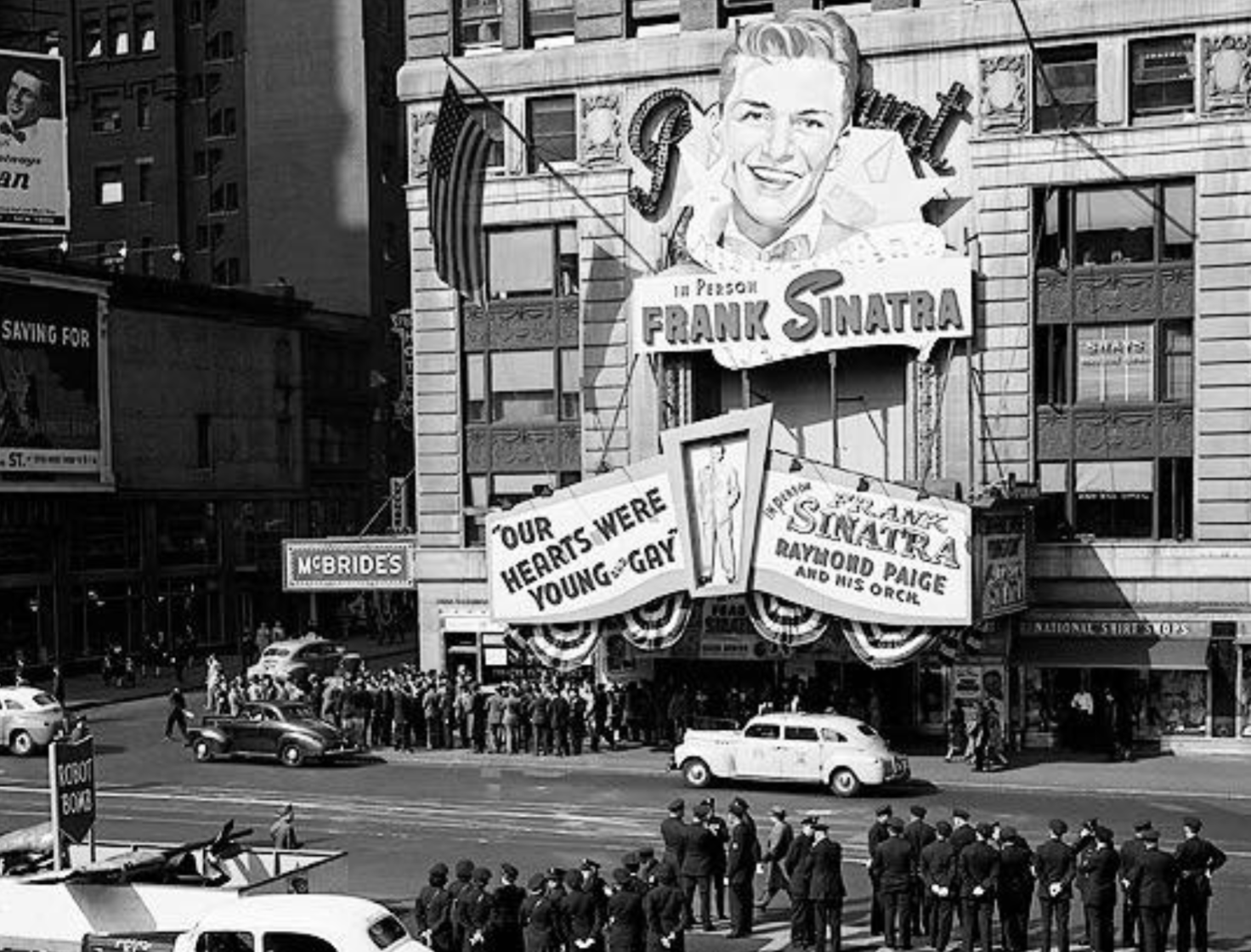
Before Frank Sinatra became Ol’ Blue Eyes, before the Sinatra riots, the screaming bobby-soxers, the sold-out arenas and timeless recordings, there was uncertainty, ambition, and one phone call that changed everything. That career-defining moment took place right at 1501 Broadway, inside the legendary Paramount Theater, the very building that now serves as the stage for CityPickle Times Square.
Sinatra’s story to stardom is the epitome of an American dream. Born to Italian immigrants in Hoboken, New Jersey, he began singing on local radio and in small venues across the region. One early performance at the Rustic Cabin caught the attention of bandleader Harry James in 1939, launching Sinatra into the big leagues. Soon after, he joined Tommy Dorsey’s orchestra, where his smooth voice helped propel chart-topping hits like “I’ll Never Smile Again.”
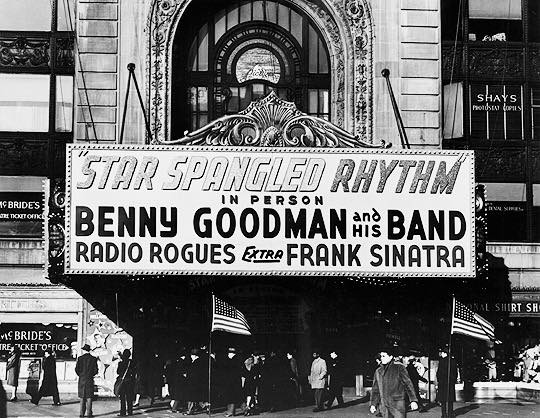
But in September of 1942, Sinatra made the bold move to leave Tommy Dorsey’s orchestra and strike out on his own. Just weeks after leaving, the young singer found himself with close to zero solo bookings and a wavering sense of direction. Then came a call from Bob Weitman, the director of the Paramount Theater. Weitman asked Sinatra a simple question: “What are you doing for New Year’s?” Discouraged, Sinatra admitted he had no plans and couldn’t get booked anywhere. Weitan asked Sinatra to “open at the joint” following Benny Goodman, an invitation that would change music history.
What happened next has become legend.
As comedian Jack Benny later recalled, “I introduced Sinatra and I thought the goddamned building was going to cave in. I never heard such a commotion with people running down to the stage, screaming and nearly knocking me off the ramp. All this for a fellow I never heard of.”
That night marked the birth of the “Sinatra Riot.” Thousands of teenage fans, soon dubbed bobby-soxers, flooded Broadway, desperate to catch a glimpse of the young singer who seemed to speak directly to their generation. What was meant to be a short engagement turned into a two-month residency. Sinatra performed six to seven shows a day. On one legendary Saturday, he performed eleven times, beginning at 8:10 a.m. and finishing at 2:30 the next morning.
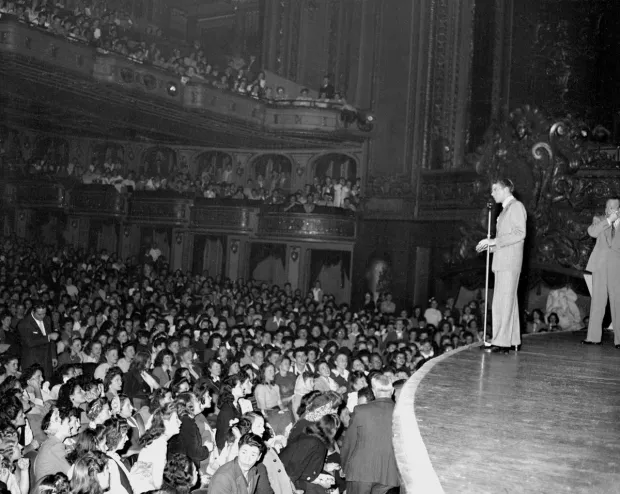
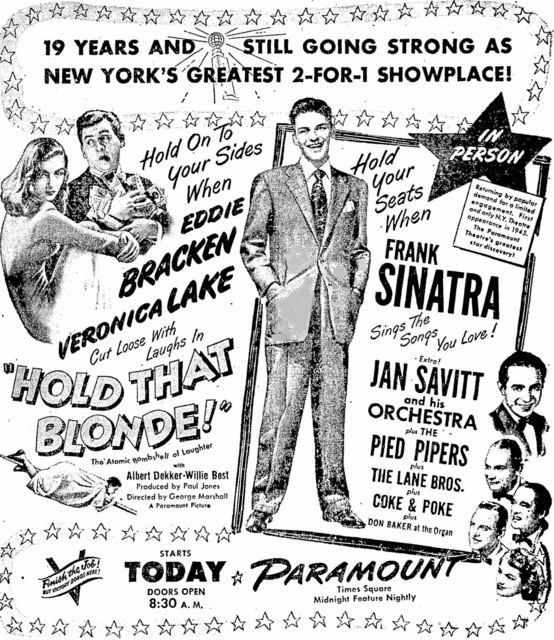
During these performances, audiences heard songs that would become classics: “All or Nothing at All,” “I’ll Never Smile Again,” “Night and Day,” and “Saturday Night (Is the Loneliest Night of the Week).” After brief stints elsewhere in the city, Sinatra returned to the Paramount with Our Hearts Were Young and Gray, further cementing his bond with the venue and with New York itself.
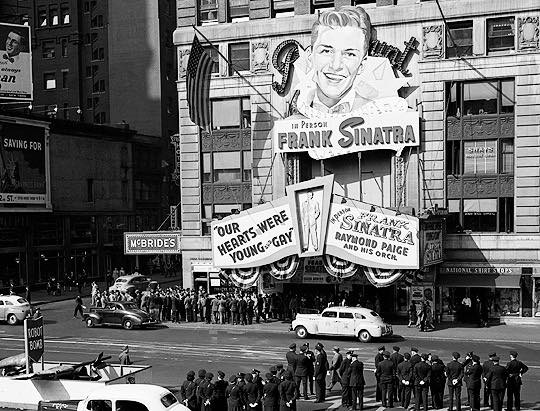
Today, CityPickle is proud to call 1501 Broadway home. As we build our residency in Times Square, we’re honoring the cultural legends who shaped this address long before pickleball courts filled the space. From subtle design nods to storytelling woven into the experience, we’re paying tribute to Sinatra’s legacy; his grit, his reinvention, and his unforgettable connection to New York.
Because at CityPickle Times Square, history isn’t just remembered. It’s played on.
-1.png)
CityPickle's flagship in the Paramount Building blends vintage architecture with modern pickleball, creating a dynamic, social hub in Times Square.

Celebrate National Pickleball Day with CityPickle! Join our community in embracing the joy and connection this sport brings. Warm wishes from...
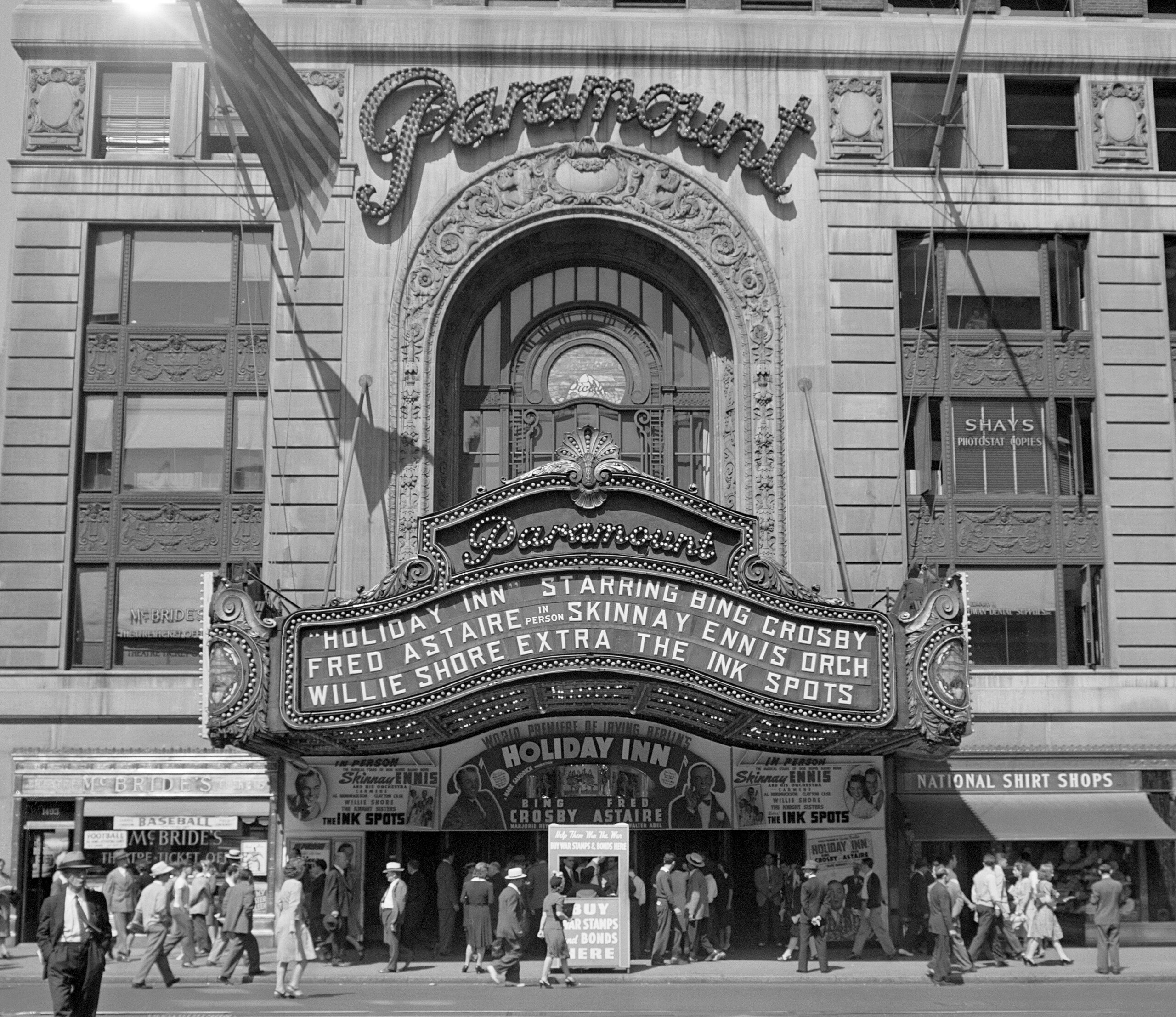
Discover how we transformed the historic Paramount Theater in Times Square into CityPickle's premier pickleball club, blending heritage with modern...