
.jpg?width=75&height=75&name=!--%20Column%202%20New%20to%20CityPickle%20%26%20Programs%20--div%20style=height%20100%25%3B%20display%20flex%3B%20flex-direction%20column%3B%20gap%2015px%3B!--%20New%20to%20CityPickle%20Card%20--%20div%20style=padding%2015px%3B%20border-radius%208px%3B%20border%201px%20(1).jpg)

.jpg?width=75&height=75&name=!--%20Column%202%20New%20to%20CityPickle%20%26%20Programs%20--div%20style=height%20100%25%3B%20display%20flex%3B%20flex-direction%20column%3B%20gap%2015px%3B!--%20New%20to%20CityPickle%20Card%20--%20div%20style=padding%2015px%3B%20border-radius%208px%3B%20border%201px%20(2).jpg)
.jpg?width=75&height=75&name=!--%20Column%202%20New%20to%20CityPickle%20%26%20Programs%20--div%20style=height%20100%25%3B%20display%20flex%3B%20flex-direction%20column%3B%20gap%2015px%3B!--%20New%20to%20CityPickle%20Card%20--%20div%20style=padding%2015px%3B%20border-radius%208px%3B%20border%201px%20(3).jpg)
.jpg?width=75&height=75&name=!--%20Column%202%20New%20to%20CityPickle%20%26%20Programs%20--div%20style=height%20100%25%3B%20display%20flex%3B%20flex-direction%20column%3B%20gap%2015px%3B!--%20New%20to%20CityPickle%20Card%20--%20div%20style=padding%2015px%3B%20border-radius%208px%3B%20border%201px%20(4).jpg)
.jpg?width=75&height=75&name=!--%20Column%202%20New%20to%20CityPickle%20%26%20Programs%20--div%20style=height%20100%25%3B%20display%20flex%3B%20flex-direction%20column%3B%20gap%2015px%3B!--%20New%20to%20CityPickle%20Card%20--%20div%20style=padding%2015px%3B%20border-radius%208px%3B%20border%201px%20(5).jpg)
.jpg?width=75&height=75&name=!--%20Column%202%20New%20to%20CityPickle%20%26%20Programs%20--div%20style=height%20100%25%3B%20display%20flex%3B%20flex-direction%20column%3B%20gap%2015px%3B!--%20New%20to%20CityPickle%20Card%20--%20div%20style=padding%2015px%3B%20border-radius%208px%3B%20border%201px%20(6).jpg)
.jpg?width=75&height=75&name=!--%20Column%202%20New%20to%20CityPickle%20%26%20Programs%20--div%20style=height%20100%25%3B%20display%20flex%3B%20flex-direction%20column%3B%20gap%2015px%3B!--%20New%20to%20CityPickle%20Card%20--%20div%20style=padding%2015px%3B%20border-radius%208px%3B%20border%201px%20(7).jpg)
 CityPickle
CityPickle Parties - Off the Court This Time 🍸
Left to right: Erica Desai (Co-Founder & Co-CEO, CityPickle), Anna Garwood (Director of Brand Partnerships, CityPickle), Kofi Amoo-Gottfried (CMO,...
-1.png)
Written by Maggie Siskind, CityPickle Creative Director
Some buildings ask to be transformed. The Paramount Building asked to be understood. Designing a contemporary pickleball flagship inside one of Times Square’s most historic landmarks meant working in conversation with nearly a century of architecture, while introducing a sport uniquely suited for a dense, modern location.
Over the past few years, I’ve worked on CityPickle activations across New York City including Wollman Rink, Hudson Yards, Union Square, Atlantic Terminal, Grand Central, and an upcoming Brooklyn location at the base of the Brooklyn Bridge. Each of those projects asked the same core question in different ways: what happens when you introduce pickleball into places that weren’t originally designed for it? And more specifically, how can pickleball build a footprint in a dense, complex city like New York?
The Paramount Building became a test of how all of those lessons could translate into one of the most demanding urban and architectural contexts in the city.
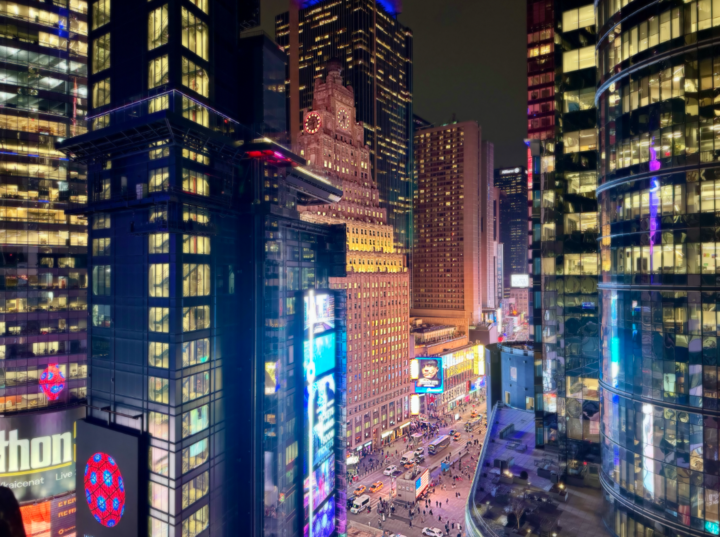
Working in temporary spaces is an education in real time. Pop-ups don’t allow design decisions to hide. Circulation issues, sound, lighting, wear, and user behavior surface immediately. Over the years, these activations taught us what actually matters: clarity of movement, social adjacency, durability, and the importance of giving people reasons to stay, not just play.
Those lessons directly informed the Paramount Building. By the time we reached a permanent flagship, we weren’t inventing a concept. We were refining a model. The question shifted from can this work to how well can it work here.
The Paramount Building is unlike any other space we’ve worked in. The venue sits inside what was once the air volume of the original Paramount Theatre, later infilled with office slabs, resulting in a rare, column-free floor plate suspended within a skyscraper. That condition is both extraordinary and unforgiving.
Rather than treating the building as a neutral container, we let its architecture set the tone. Exposed brick, concrete structure, and remnants of the original theater suggested a direction we hadn’t fully explored before: a contemporary interpretation of a vintage sports club.
That idea took shape through specific material and color choices. Leather and wood introduce warmth and tactility. Dark greens and warm tones reference classic athletic clubs without feeling nostalgic. These elements weren’t applied decoratively. They were used to ground the introduction of a high-energy sport within a space that already carries its own sense of permanence.
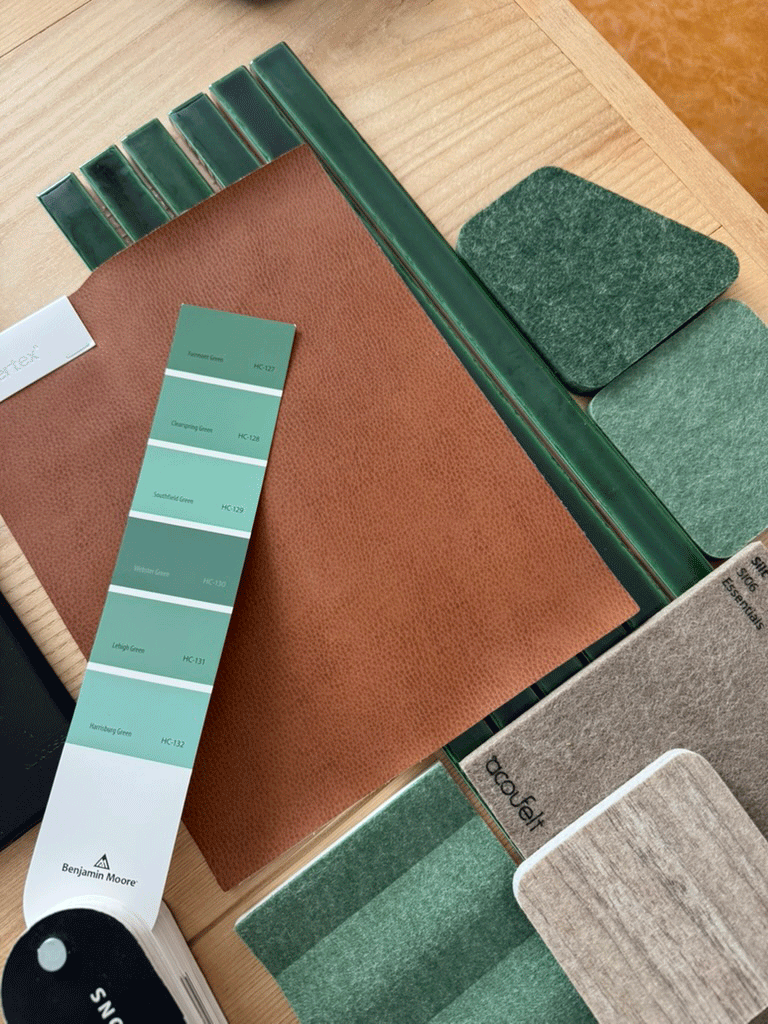
This is not a replica of a historic club. Modern performance is fully integrated. We worked with professional lighting designers to ensure even, high-quality court lighting. We selected best-in-class court systems and invested in sound mitigation, from cushioned court assemblies to felt-backed slat walls and fully treated ceilings.
One of the most striking juxtapositions happens where the old theater once opened to the stage. A large-scale digital screen now sits above that historic opening. Contemporary technology is supported by the architecture that preceded it. That pairing captures the spirit of the entire project. Old and new remain distinct, but intentionally aligned.
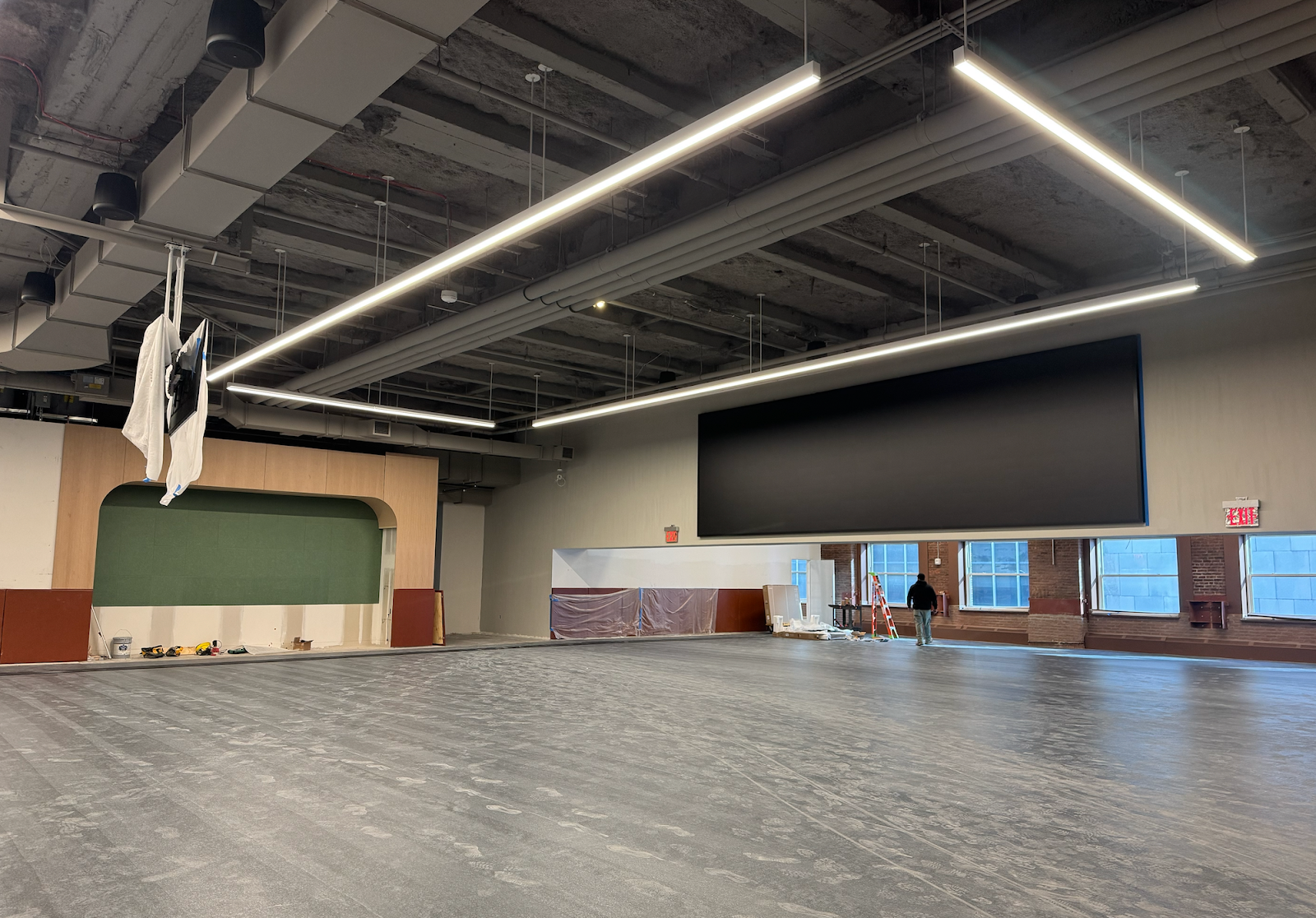
Pickleball’s strength in cities isn’t just its footprint. It’s its social nature. That informed how we treated seating, circulation, and amenities throughout the space. Each court has a distinct seating configuration, giving it its own character while reinforcing the idea that watching, waiting, and socializing are just as important as playing.
Beyond the courts, the space was designed to support longer stays. An expanded bar, flexible event rooms, showers, and integrated workspaces allow the venue to function as more than a place to play for an hour. This is also CityPickle’s home, our corporate headquarters, intentionally integrated rather than tucked away. The team moves through the space alongside players and guests, reinforcing that this venue is as much about community as it is about sport.
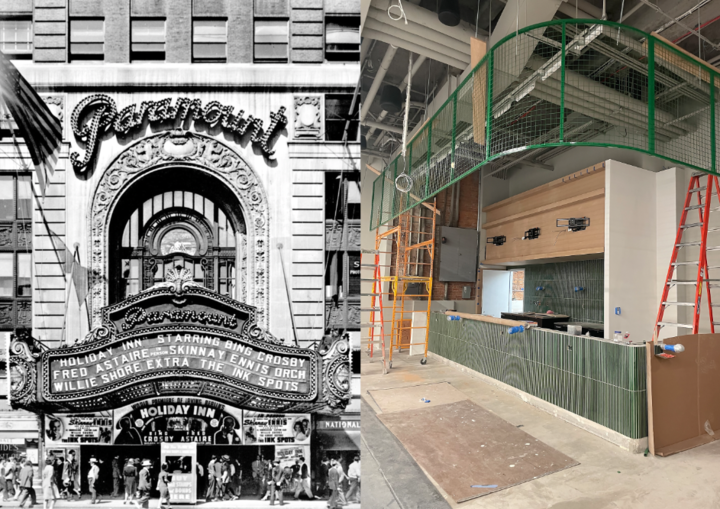
There are many pickleball venues emerging right now, and many of them look similar. The Paramount Building offered an opportunity to do something fundamentally different. It allowed us to create a space that feels elevated, social, and deeply contextual.
This project represents a synthesis of everything we’ve learned: how pickleball activates underused spaces, how architecture can guide design rather than be overwritten, and how performance and comfort can coexist. It’s not about spectacle for its own sake. It’s about creating a place that feels intentional, enduring, and genuinely rooted in its surroundings.
The Paramount Building didn’t ask to be transformed. It asked for clarity, care, and discernment. The design is strongest where it listens, and where it allows the building, the sport, and the city to speak together.
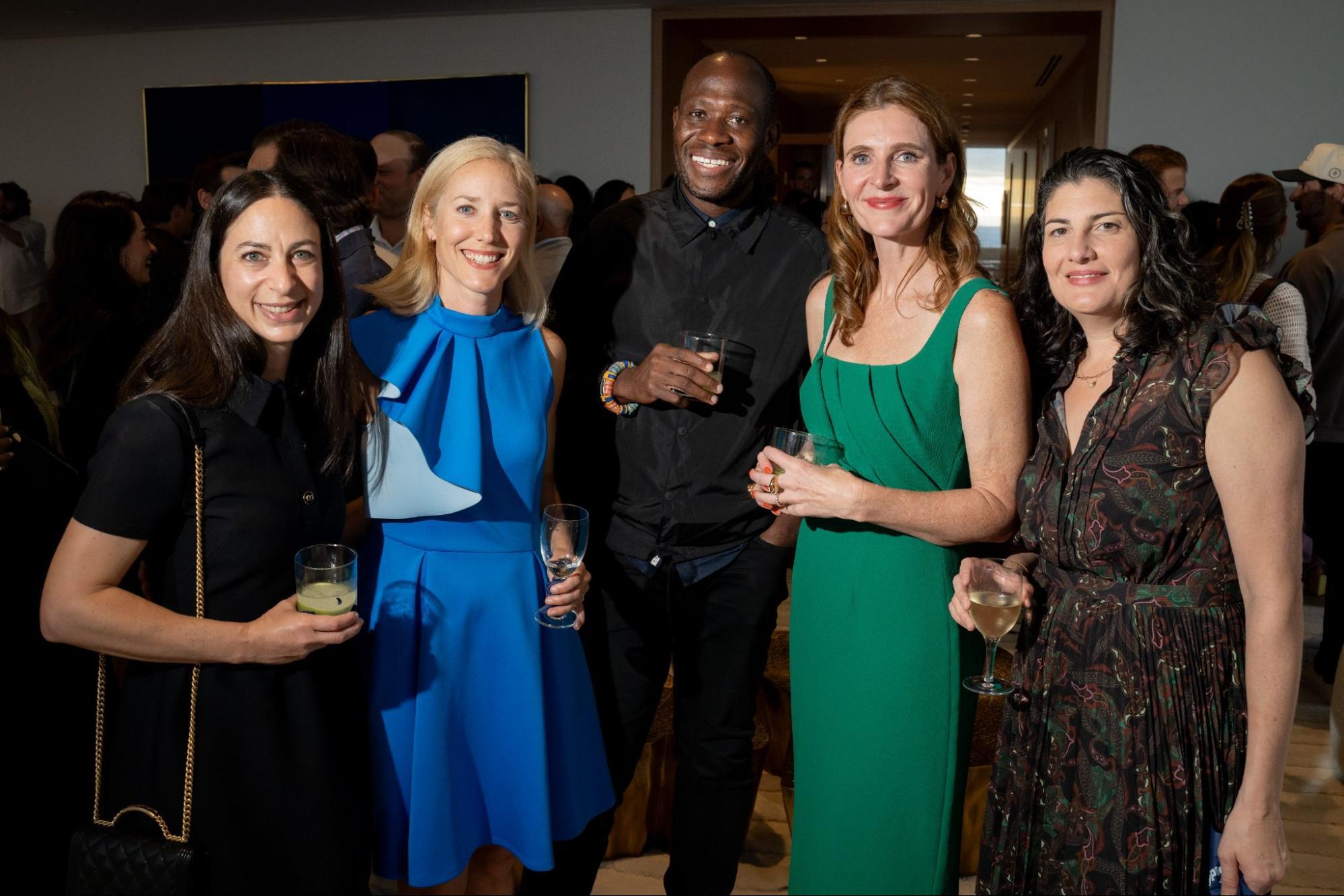
Left to right: Erica Desai (Co-Founder & Co-CEO, CityPickle), Anna Garwood (Director of Brand Partnerships, CityPickle), Kofi Amoo-Gottfried (CMO,...
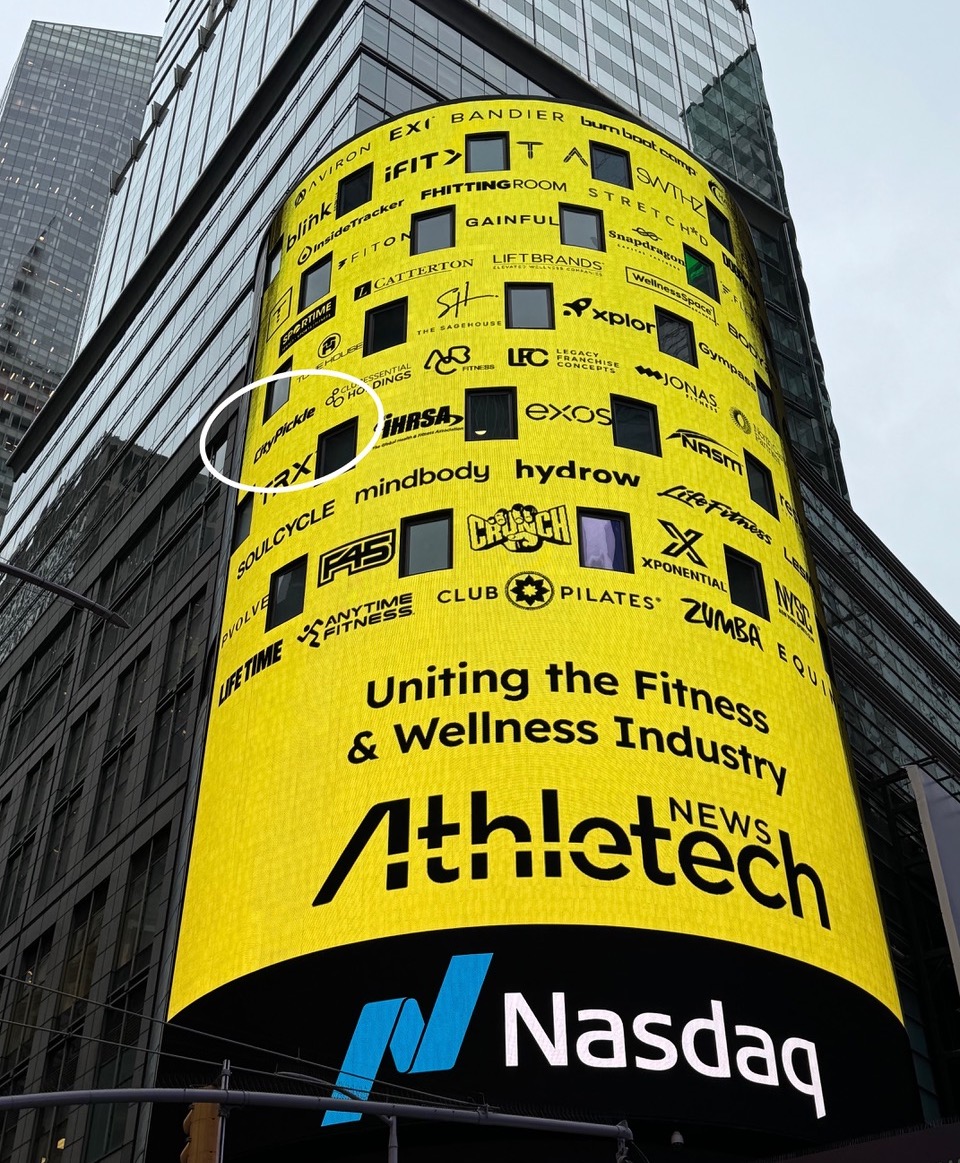
CityPickle was honored to join Athletech News in ringing the NASDAQ bell on January 4, 2024, the opening day of Wellness Week.
-2.png)
CityPickle is redefining urban recreation through adaptive reuse, transforming underutilized spaces into vibrant pickleball courts. We’re excited to...